

This isn’t just a concert. It’s one night that can make a lasting impact in the lives of local youth, especially now as schools face severe funding losses. Between 2025 and 2026, over $6.2 billion in federal funds for Title I, special education, and mental health services have been delayed or withheld. High-poverty districts are hit hardest, losing more than five times the per-student funding of wealthier schools. These shortfalls are forcing layoffs, cutting special education services, and eliminating after-school programs. (edweek.org)
At OTTP-NorCal, many of the youth we serve are living at or below the poverty line. At the same time, nearly 80% of students who receive mental health care access that support at school, making school-based services especially vulnerable to funding cuts. (CDC). OTTP helps bridge that gap by meeting youth where they are, whether at school, in their homes, or out in the community. By bringing care directly to students, we ensure they continue receiving the mental health support they need to grow, heal, and thrive.
Your support allows us to continue providing critical mental health services and support resources to these youth. Join OTTP-NorCal’s Youth Empowerment Benefit Concert on April 9 at 6:30 PM at the Fourth Bore Taproom & Grill in Orinda, featuring the wildly popular cover band Brothers Coane in their 2-man show, “Decades of Hits, Endless Good Vibes!” Sing along to your favorite songs, dance to the classics, and support local youth.
Your ticket includes complimentary drinks and appetizers, and access to travel and entertainment auction items. Most importantly, it helps provide underserved youth with experiences that build confidence, creativity, and long-term opportunity.
Purchase your tickets HERE!
We hope you can join us!
Can’t attend? We will miss you, but you can still make a difference. Donate today & choose "Youth Empowerment Fundraiser 2026" in the dropdown menu.
Questions? Contact development@ottp-sf.org
Thank you to our Sponsors!
Kelly Crawford Team at Vanguard Properties
Bedell Frazier Investment Counselling
Siesta Valley Bowl / The Fourth Bore Tap Room & Bar
Kirsti & Bryant Chou Family Fund
Four Seasons Resort O'ahu at Ko Olina
Jim & Lyn Schmidt
The Pearce Family
The Downing Family
Lee & Laura Paige




Emily Tunnat, OTR/L, Occupational Therapy Manager, works with youth incarcerated at the Alameda County Juvenile Justice Center. One of her clients initially struggled to engage with occupational therapy, refusing to participate despite encouragement from staff.
With support from OTTP clinicians, this youth was given another opportunity to rejoin sessions, and he took it. Over the next 2.5 months, he became fully engaged in OT activities, showing creativity, generosity, and connection. He shared his ideas, taught Emily new skills, like mixing paint colors and plating a mug cake, and even shared his single-serve cake with her, a meaningful gesture reflecting his growth and trust.
His progress extended beyond the JJC. He successfully advocated in court for an early release and proudly said, “It was because they liked the letter you wrote.” Emily reminded him, “You get the credit! It was your hard work and strengths.” He paused, then beamed, recognizing that it was his own effort and achievement.
This story demonstrates how OTTP-NorCal helps youth build confidence, self-advocacy, and meaningful connections, empowering them to take positive steps toward their goals and futures.
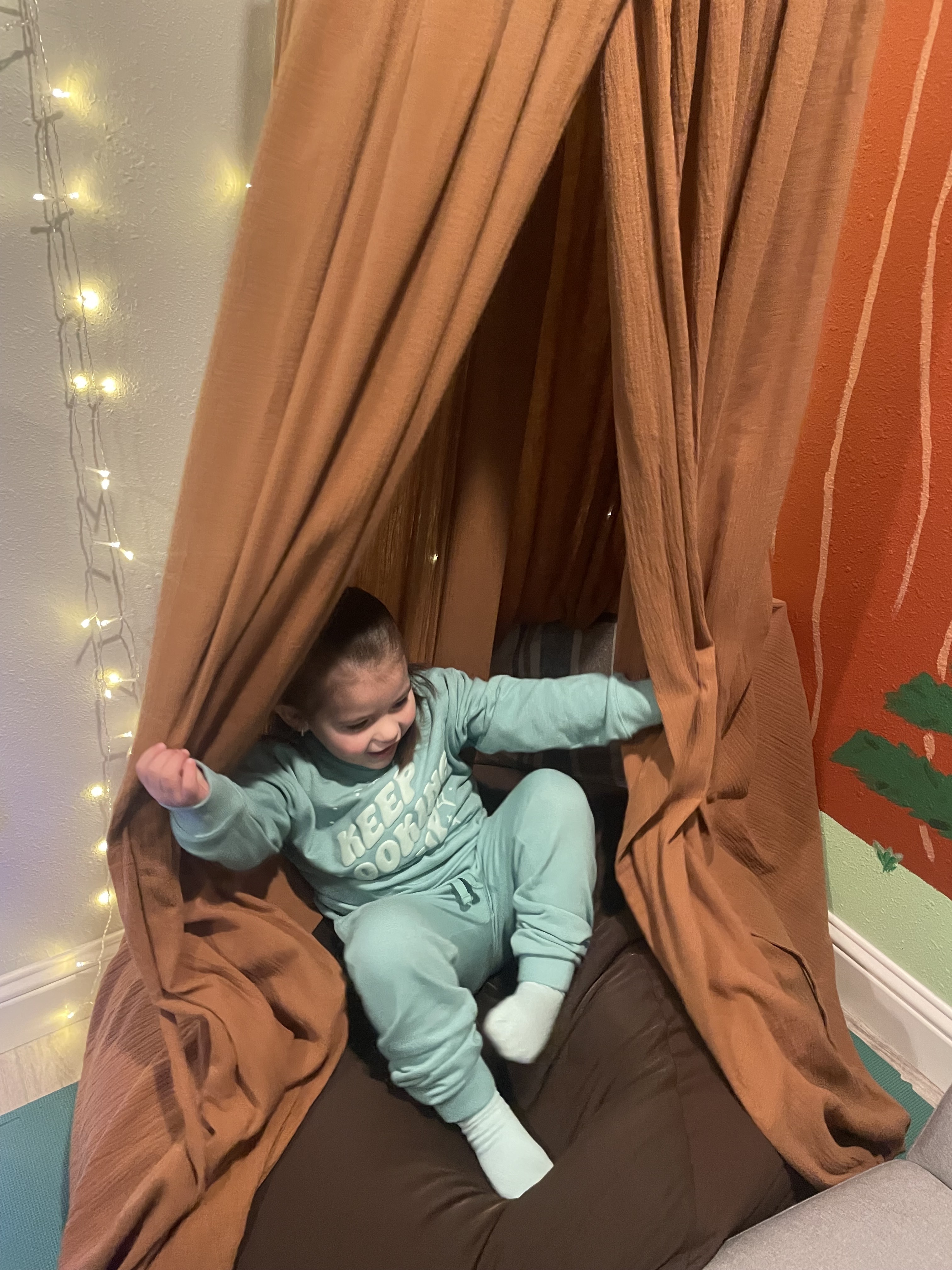
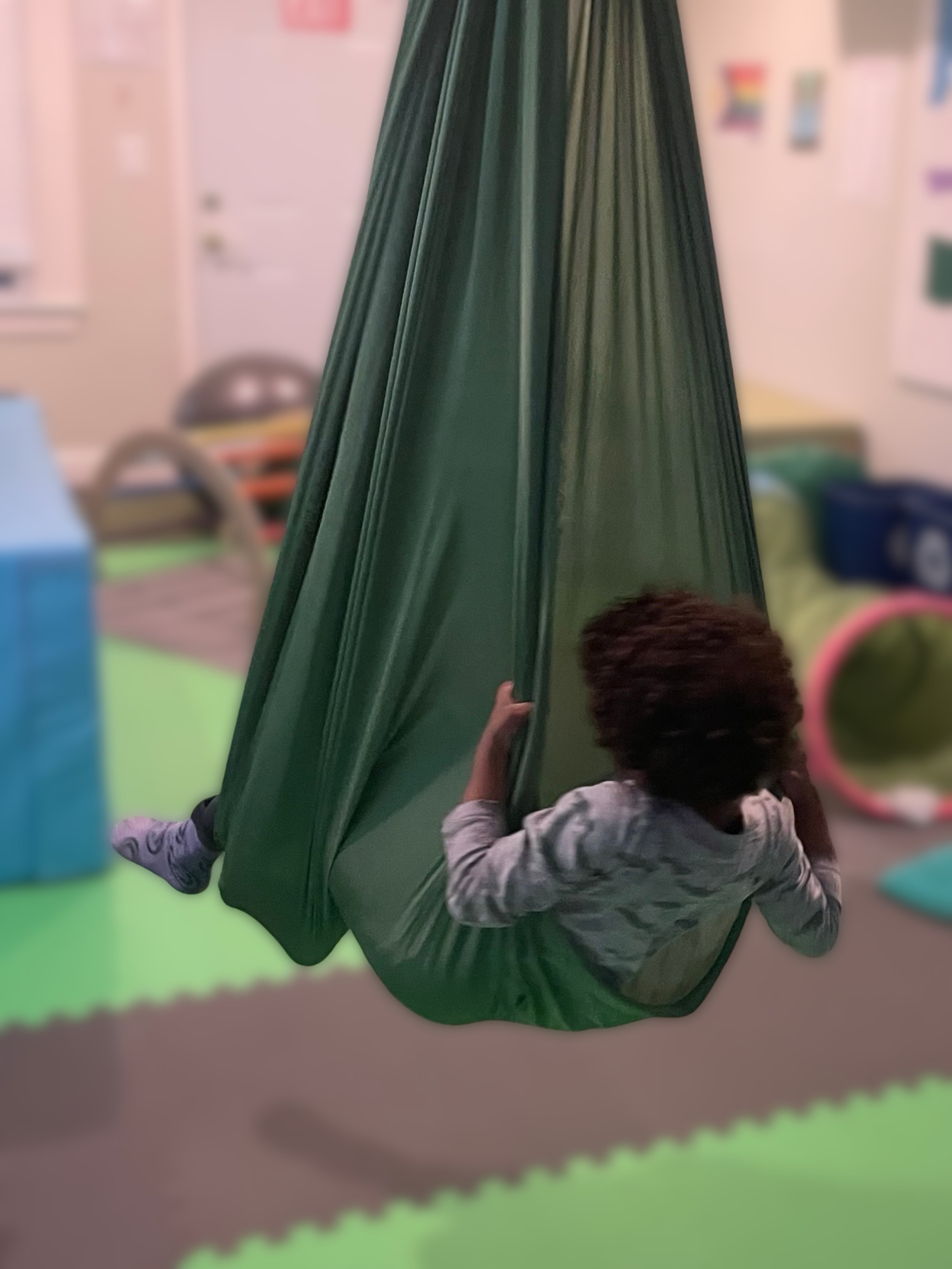
The Sensory Space at OTTP-NorCal is a shining example of what happens when our community comes together to support youth. Thanks to our Youth Empowerment Fundraiser last year, this space was made possible through a combination of clinical expertise, thoughtful design, and generous donor contributions.
Designed by Zach Fish, with collaboration and mural work by OTTP Clinical Supervisor, Micah Lessans, the Sensory Space was created through intentional planning and both monetary and in-kind support. Foundational features, including adjustable colored lighting, calming tones, and core sensory supports, were funded by generous donors. At last year’s fundraiser, a dedicated live auction funded the ball pit and overhead rope climbing net, while Mission Cliffs at Touchstone Climbing in San Francisco generously donated the climbing holds. Additional highlights, such as climbing and balance elements, a nature mural, and a quiet corner, complete the space.
Guided by occupational therapists, youth engage with the environment based on their individual sensory needs, making the Sensory Space a powerful tool for regulation, resilience, and therapeutic growth. What started as a simple room has been transformed into a daily resource that helps youth feel calmer, more confident, and better able to engage in their care.
This is exactly the kind of impact your support at our Youth Empowerment Fundraiser makes possible, and a glimpse of what we can continue to build together this year.


Donations make a difference in many areas of our work, supporting youth in both big and small ways. One powerful example is our Incentive Program.
At OTTP-NorCal, our Incentive Program helps youth move toward their goals by pairing encouragement with practical support. Funded entirely through donations, the program provides meaningful incentives for items youth need and want. Youth have chosen incentives such as sneakers, gift cards, and school supplies. These items help reduce the socioeconomic barriers they face while also recognizing and celebrating the progress they make.
Meta Bodewes, MSW, ASW, Psychotherapist, shared a story about a 4th-grade student in the SOAR program who struggled with impulsivity and conflicts with peers:
“His stated goal was to ‘stop fighting,’ and we were able to use the SOAR classroom system to track his increased positive behaviors and reward him through the incentive program.”
The student earned gift cards for video games by achieving 80% of his points daily over about four months. He and Meta worked with the school team to provide points for resolving conflict appropriately, apologizing, and being honest with staff when he made mistakes in regulating his emotions with peers.
“The incentive program helped increase his positive behaviors and reduce fighting, teaching him skills that generalized to other areas of his life and carried into the next school year.”
Thanks to the Incentive Program, students like this 4th grader are able to see tangible progress, build confidence, and practice skills that extend beyond the classroom.
Shauna McGlynn is a dedicated supporter of OTTP-NorCal, helping youth navigate life with care, joy, and hope. She was first inspired to get involved through OTTP staff members whose commitment to youth drew her to our organization.
Shauna is particularly passionate about supporting older youth and young adults, a group she believes is often overlooked but faces real challenges with trauma, mental health, and limited support systems. “I want to be part of making that next phase of life a little smoother,” she shares.
One of her favorite ways to give is by responding directly to youth needs by carefully selecting gifts that combine essentials with items that bring joy and a sense of being seen. She also draws inspiration from OTTP’s clinicians, seeing firsthand how their work transforms lives.
Shauna encourages everyone to support youth in any way they can:
"Whether you give a little or a lot, it all matters. Your support helps young people feel included, supported, and cared for."

OTTP-NorCal clinicians provide mental health services across more than 100 locations in Northern California to youth, ages 2-24, and their families. One of these sites, Lincoln Families, is home to the school-based mental health program Helping Open Pathways to Education (HOPE) within the Oakland Unified School District (OUSD).
Students in HOPE often face significant challenges in the classroom due to trauma, including difficulty engaging in lessons, transitioning between activities, or managing emotions. OTTP occupational therapists work closely with caregivers and HOPE staff to provide comprehensive sensory processing assessments that help students develop self-regulation strategies and support staff in understanding each child’s unique needs.
A sensory assessment begins with interviews with caregivers and school staff to gather insights about a student’s strengths, interests, and any areas of concern. The OT then observes the student in their natural school environment, during class, transitions, recess, or lunch, to note sensory preferences, participation, and daily routines. Caregivers and staff complete questionnaires to capture the student’s day-to-day functioning across sensory domains. Using these observations and assessments, the OT develops tailored recommendations and collaborates with caregivers and staff to implement strategies that support the student at school, at home, and in the community.
By understanding sensory needs, staff and caregivers can reframe behaviors in a new light and provide students with tools to engage more fully in learning and daily activities. Lincoln Families staff have reported that these assessments have helped them advocate for more comprehensive accommodations in students’ *IEPs, facilitated sensory-rich activities that support self-regulation, and sparked important conversations with teachers about how a youth’s sensory needs can impact classroom participation.
An OTTP occupational therapist at Lincoln Families shared what they find most rewarding about their work:
“It’s a pleasure chatting with caregivers and hearing them light up when reflecting on their kids’ strengths. The cherry on top is when I hear that the strategies we developed together are making a real difference in their lives.”
A particularly memorable moment involved a kindergartener who often appeared anxious when arriving at school. After exploring his sensory needs, the OT and his mother created a playful “warm-up” routine in the hallway, including silly jumps and dances before class. This small but creative change helped him say goodbye more easily and settle into the classroom faster, demonstrating the powerful impact of personalized sensory strategies.
Through these individualized approaches, OTTP therapists help students at Lincoln Families thrive academically, socially, and emotionally, one child at a time.
*IEP: Individualized Education Program is a plan that outlines the support a student needs to succeed in school.
For many students who have experienced trauma, the classroom can feel overwhelming and unsafe. Across the Bay Area, OTTP occupational therapists and psychotherapists work directly on school campuses, often serving as the only mental health support students receive.
Healing isn’t limited to therapy sessions; it also happens in classrooms. OTTP partners with schools to reduce the barriers to learning through a culturally responsive, whole-child approach. While many educators receive trauma-informed training, they are often left without practical, day-to-day tools they can immediately apply. OTTP bridges this gap providing evidence-based strategies grounded in research and professional expertise, including insights from our own team members like Chi-Kwan Shea, PhD, a former Professor of the Master of Occupational Therapy and Doctorate of Occupational Therapy Program at Samuel Merritt University, who has provided clinical expertise to OTTP for over 25 years.
Through professional development and coaching, OTTP clinicians equip teachers with concrete, achievable strategies, including:
Teachers learn how to apply these tools in real classrooms, reducing sensory overload, posting clear daily agendas, and building predictable routines. While these changes may seem small, for students who have experienced trauma, they can dramatically reduce anxiety and increase engagement.
.jpg)
This type of hands-on support is also reflected in the work of emerging clinicians. Han Ayasse, OTS, is completing their occupational therapy doctoral capstone with OTTP’s East Bay team at Saint Vincent’s Day Home. Their project focuses on developing practical strategies that support bodily autonomy for both teachers and young children in early childhood education settings.
As part of the project, Han designed and implemented a six-week coaching intervention with a team of four kindergarten teachers. The program combines information, resources, and reflective discussion to help teachers strengthen self-regulation and co-regulation skills, apply a trauma-informed lens, model consent-based interactions, and incorporate more gross motor movement into daily classroom routines.
For Han, the project blends their previous career as an early childhood dance educator with their current passion for helping young children develop self-awareness, self-regulation, and self-advocacy skills. They have especially valued working directly with teachers and seeing how practical support, psychoeducation, and space for reflection during the school day can positively impact both educators and the children they serve.
The impact is twofold:
Students experience classrooms as calmer and safer, allowing them to participate more confidently, engage with peers, and stay connected to learning.
Teachers feel more equipped, less burned out, and better supported in managing complex classroom needs.
Perhaps most importantly, OTTP’s training shifts how behavior is understood. Instead of viewing behavior as defiance, educators begin to see it as communication; a signal that a student needs support with safety or regulation. This shift transforms discipline into problem-solving and strengthens relationships.
By supporting both students and educators, OTTP multiplies its impact. One clinician supports many teachers. One teacher supports many students. Together, trauma-informed school communities create lasting change for thousands of youth each year.
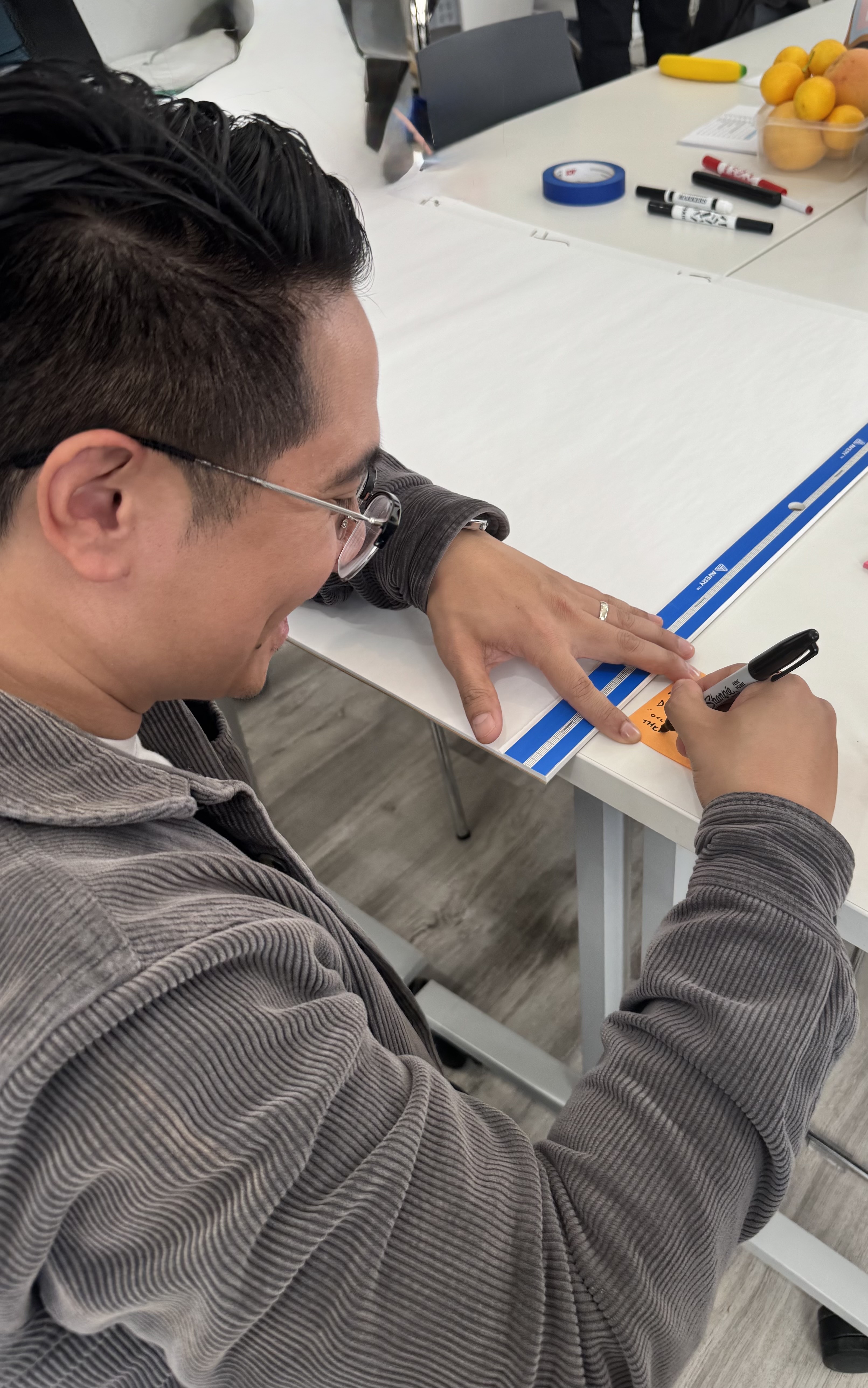
In February, OTTP-NorCal staff came together at our Oakland office for a management meeting focused on strengthening collaboration between occupational therapists and psychotherapists. Through group exercises and discussions, clinicians explored each other’s roles, shared ideas, and identified areas of overlap. The dialogue helped dispel misconceptions, align approaches, and foster mutual understanding, ensuring that our teams can provide the highest quality, coordinated care for the youth and families we serve.
Thank you to everyone who signed our petition to restore $2 billion in school mental health funding.
In 2024, the administration rescinded $2 billion from school-based mental health programs, funding that had supported counselors, psychologists, and critical services for students. These cuts have had a direct impact on the care young people rely on every day.
At OTTP-NorCal, we see firsthand how essential these services are, as many of our programs take place directly on school campuses.
We’re grateful to everyone who added their voice to this effort. Your support helped amplify the message that students deserve accessible, consistent mental health care in the place where they learn and grow. Thank you for standing up for youth in our community.