
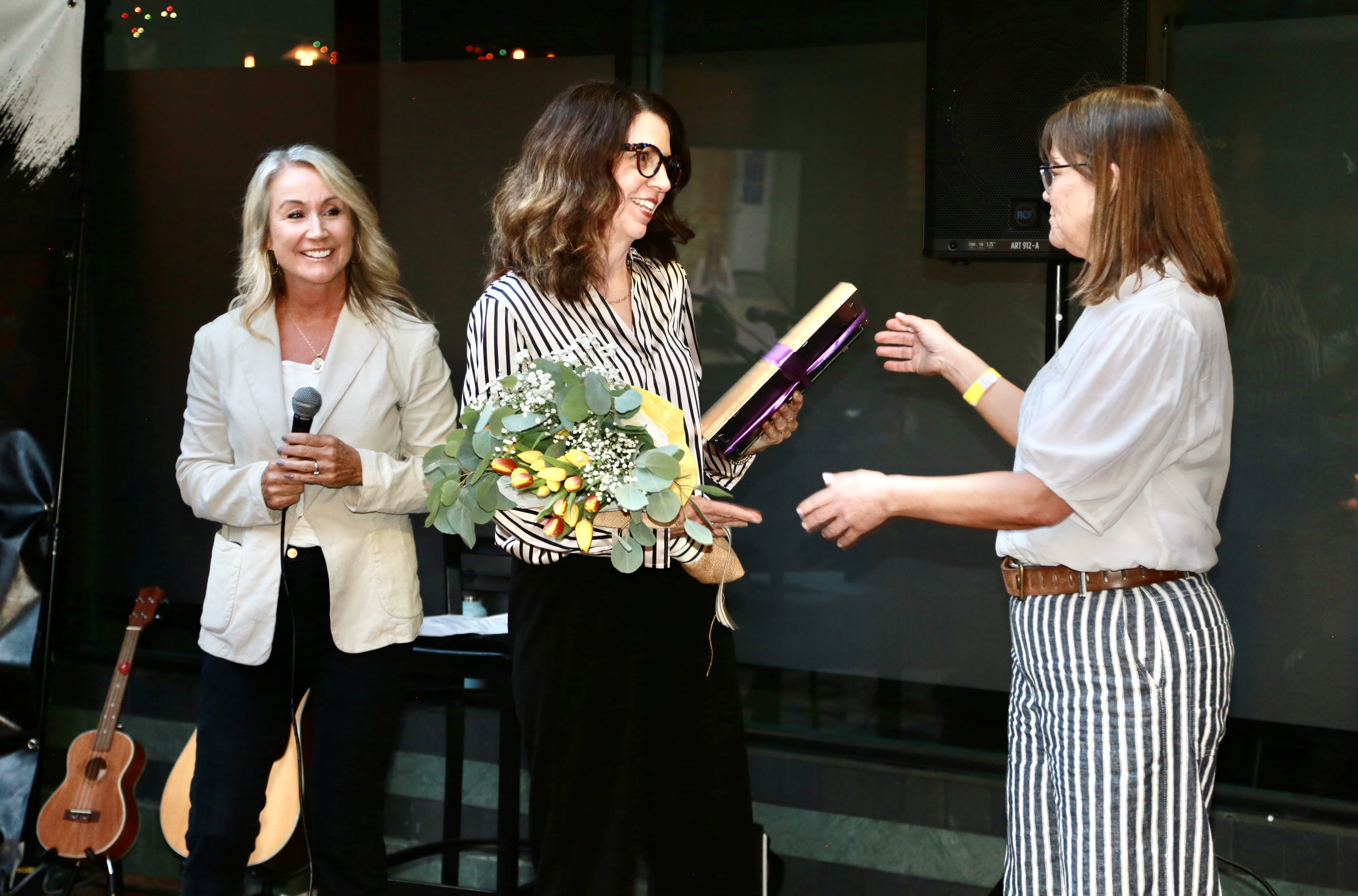
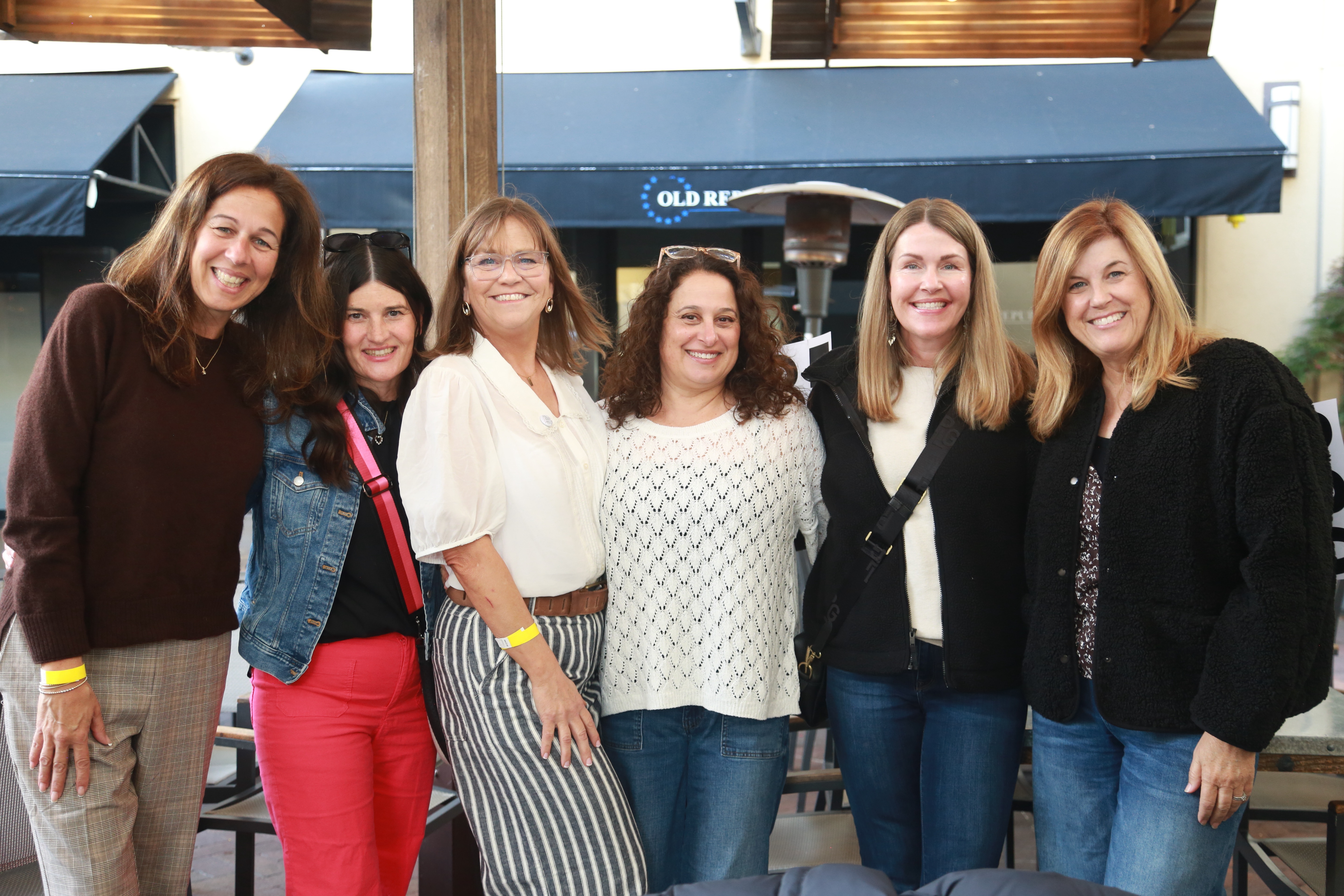
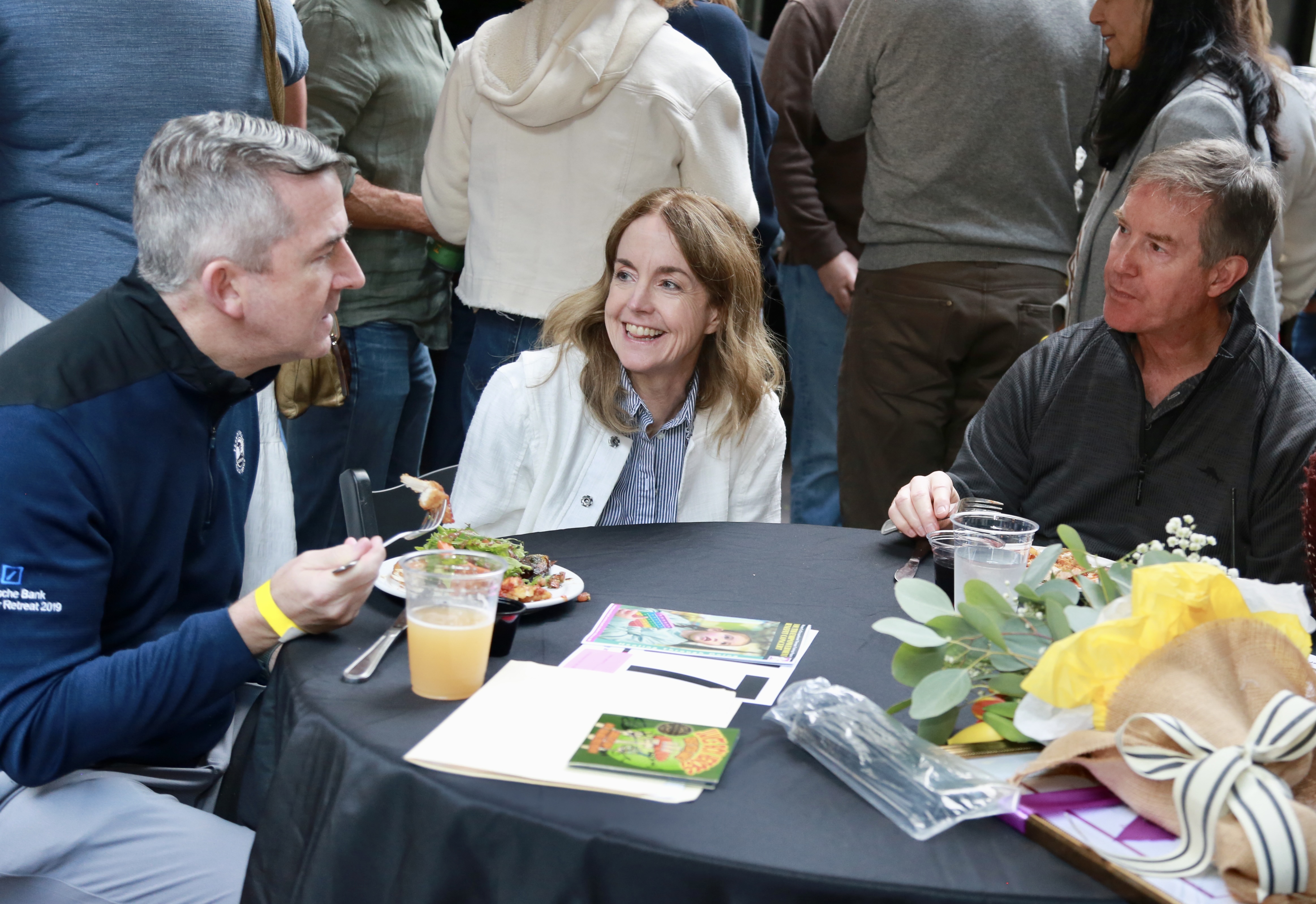
On Thursday, April 9, OTTP-NorCal hosted our 8th annual Youth Empowerment Benefit Concert at the Fourth Bore Taproom & Grill in Orinda. Each year, our community shows up stronger than the last, and this year was no exception.
Thanks to the incredible generosity of our community, we raised over $50,000 to directly support the children, youth, and young adults we serve across Northern California. The night brought together an unforgettable evening of live music from the duo Brothers Coane, drinks and appetizers, and a lively auction.
A special thank you to our sponsors: Bedell Frazier, Mechanics Bank, and Siesta Valley Bowl/The Fourth Bore; longtime supporters: Mark & Nonna Pastore, Diana Brown, Mariah Bradford, Meredith Rosen, Brian Moore, Heather Davis, Maile Sera, Terence Geenty, Wendy Schmidt, Eric Wold, Steve & Betsy Block, and Craig Downing; and new community members: Beth Brown, Trish Piatt, Ron Rubenstein, Lee Hays, Megan Schnurr, Kathleen Cundith, and Clare Friedman. Their generosity and continued commitment make this work possible.
The evening also marked the launch of the Youth Pathways Scholarship Fund, a new donor-supported initiative designed to ensure financial hardship never stands between a young person and an opportunity that could change their life. Through one-time micro-scholarships, youth can access career training and certifications, college readiness programs, life skills like driver's education and financial literacy, creative experiences, athletics, and more.

This summer, OTTP-NorCal is launching a Back-to-School Wishlist drive, and we'd love your help!
Running July 13th through August 7th, the drive will allow you to purchase back-to-school essentials, such as backpacks, shoes, or clothing, for one of our youth clients.
Every young person deserves to start the school year feeling included and ready to learn. When youth feel prepared, they can focus on building relationships and reaching their academic potential, rather than worrying about unmet needs. For many experiencing hardship, a new pair of brand-name shoes, clothing, or access to transportation and technology represents more than a practical need. They provide dignity, belonging, and self-worth during a stage of life when identity and peer connections matter deeply.
By purchasing an item from a youth's wishlist, you are helping a young person begin the school year with the optimism and dignity they deserve.
Want to be the first to know when the drive goes live? Make sure you're signed up for our mailing list!
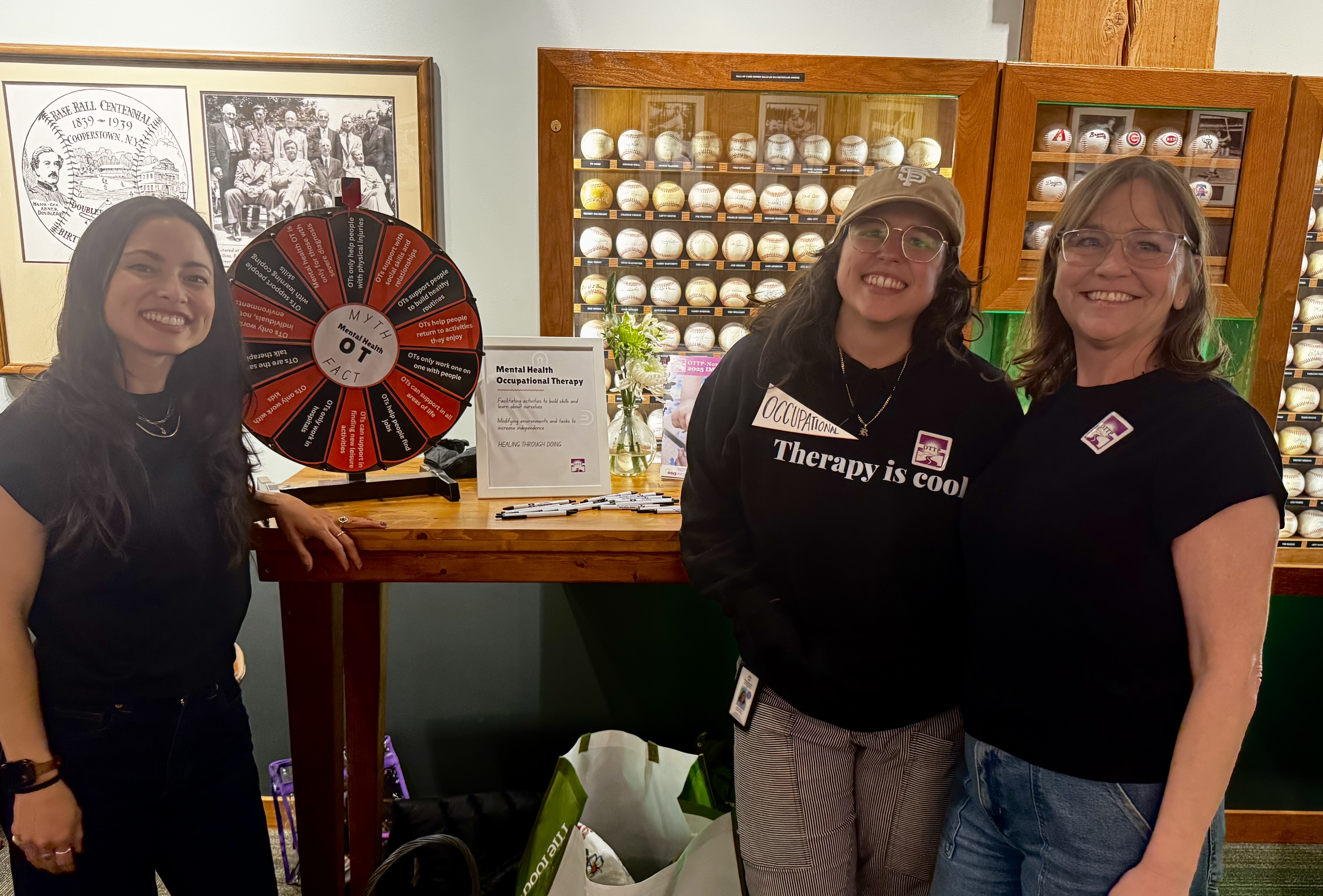
In honor of Mental Health Awareness Month, OTTP was proud to participate in the San Francisco Giants' pregame reception, Unifying Mental Health Advocacy. The event brought together experts, advocates, and other community organizations who are committed to advancing mental health awareness and expanding access to care across the Bay Area.
OTTP was represented by: Nikki Mathews, MS, OTR/L - Alternative High School Program Manager, Sarah Hui, OTD, OTR/L - Vocational Services Manager, and Tracy Feldman - Development Officer. Together, they participated in the "Meet the Movement" segment, highlighting nonprofit organizations providing essential services, resources, and education to support mental health in the community.
OTTP joined fellow advocates, including the Born This Way Foundation, Men's X Mental, Inc., and The National Alliance on Mental Illness (NAMI-SF). The event featured powerful speakers, including Pam Baer, philanthropist and mental health advocate, and Drew Robinson, former ball player on the Sacramento River Cats, who shared his personal story of surviving a suicide attempt and using his experience to help reduce stigma around mental health.
Adding to the evening, Sarah Hui had the honor of delivering the game ball to the pitcher's mound. We are grateful to Tess Oliphant, Senior Director, Community Relations, and the San Francisco Giants for the opportunity to share about our work and impact during Mental Health Awareness Month.



"While we invest in our youth, we provide support and create opportunities for growth...we can help change the trajectory of their lives."— Tamica Edwards, OTD, OTR/L, OTTP Occupational Therapist
When OTTP occupational therapist Tamica Edwards first met a young woman in the girls unit at the Alameda County Juvenile Justice Center (JJC), the client asked: What is occupational therapy, and how is it supposed to help me?
Rather than responding with a simple explanation, Tamica and the OTTP team answered it with consistency. Every week, they showed up, leading group sessions built around the girls' real interests and strengths, from self-care activities like doing nails, to life skills such as cooking and meal prep, to creative outlets like jewelry making. Over time, that consistency created something rare: a safe, reliable space they could count on.
And then, slowly, something shifted. The young woman who had once questioned whether occupational therapy had anything to offer her began looking forward to her weekly sessions. Through the activities and the environment the OTTP team created, Tamica watched her begin to grow, developing leadership skills, coping strategies, frustration tolerance, and executive functioning skills that would serve her far beyond the walls of the JJC.
But the change that stood out most wasn't a skill. It was her confidence. Her belief in herself.
She graduated from high school while still at the JJC. She began taking college courses, and today, she has transferred to a historically Black college, building a future that, not long ago, may have felt out of reach.
Every donation to OTTP is an investment in a young person's potential: in the weekly sessions, the consistent presence, and the belief that every young person, no matter where they are in their journey, is capable of writing a different story.
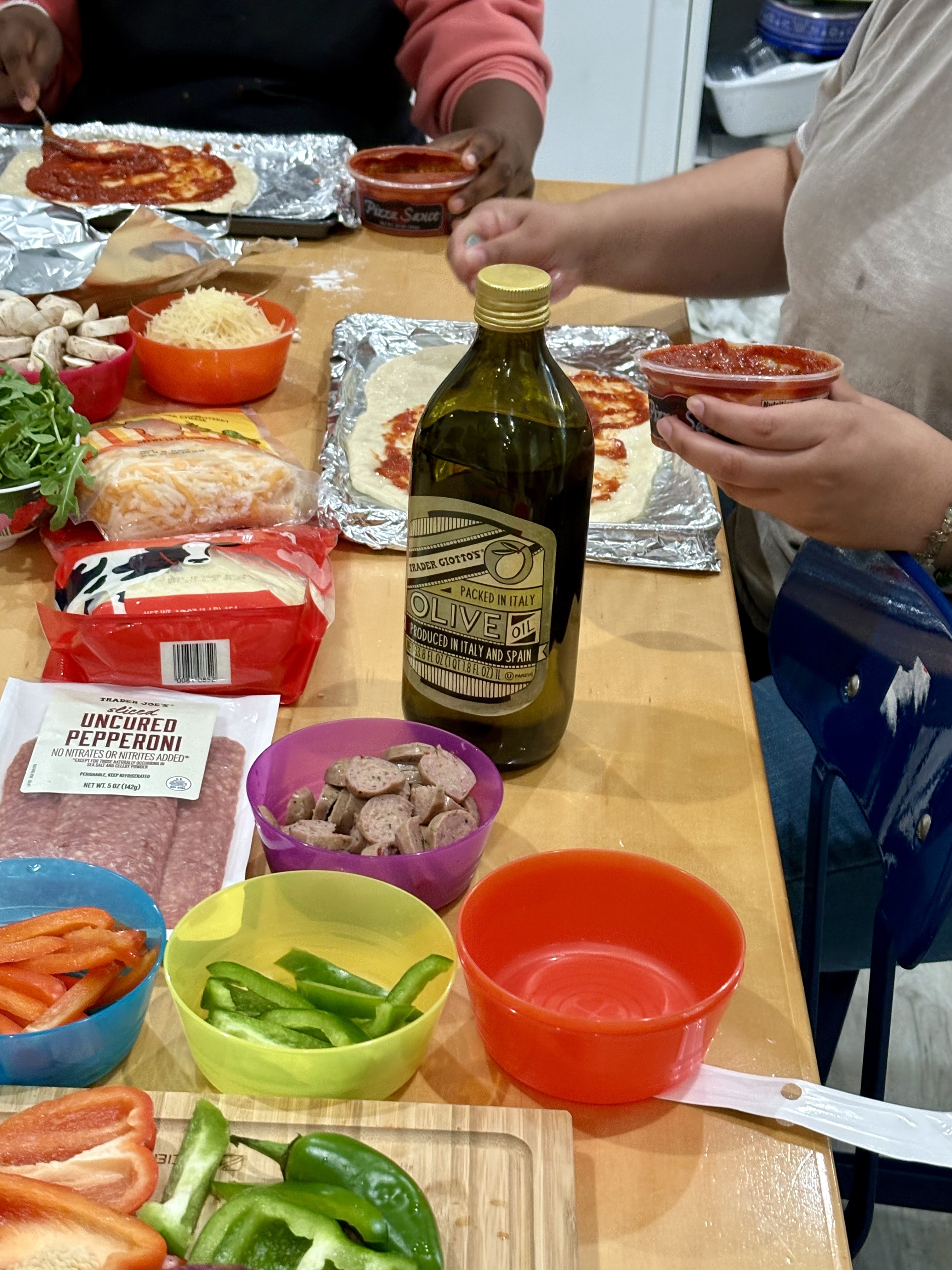
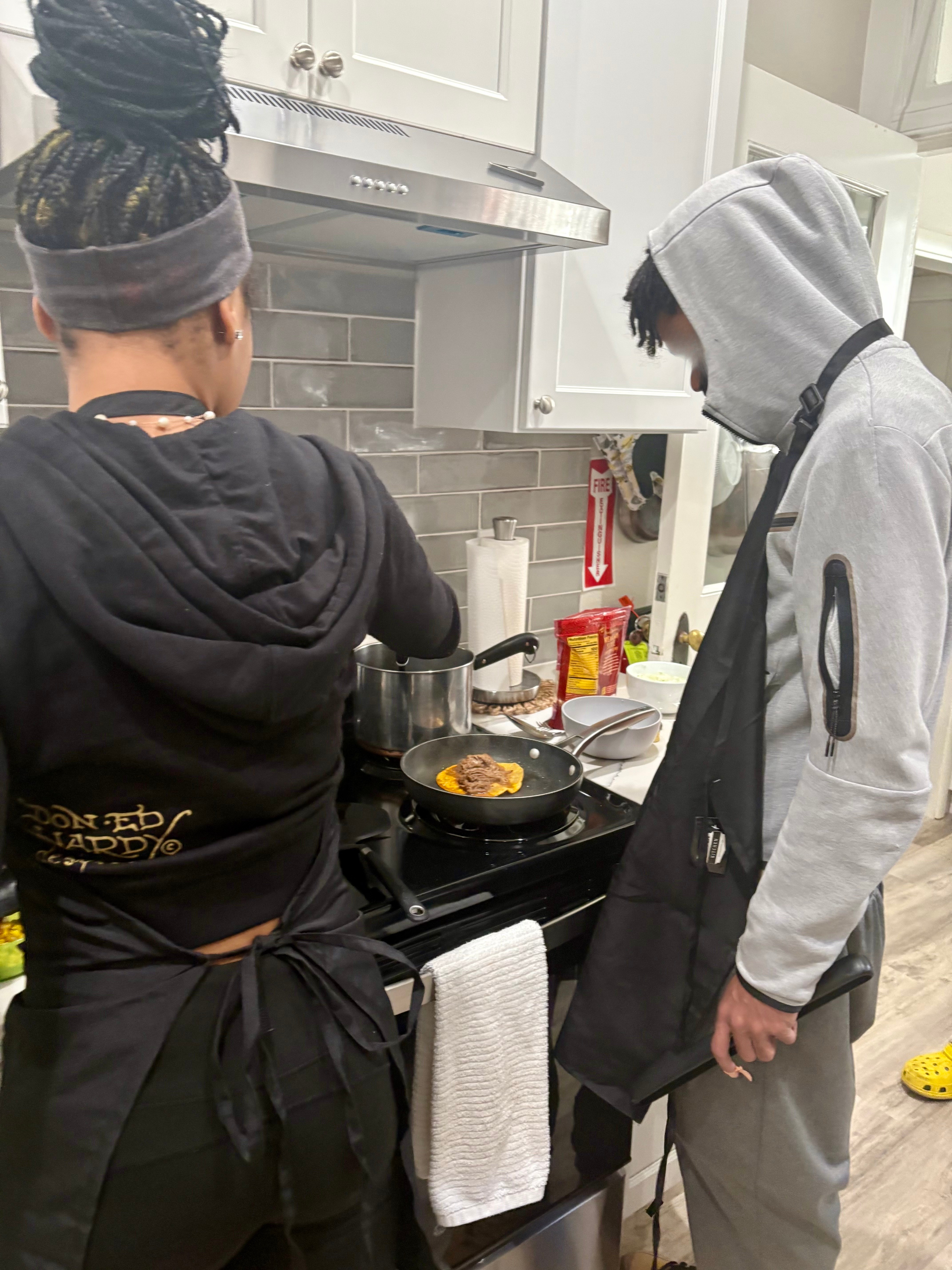
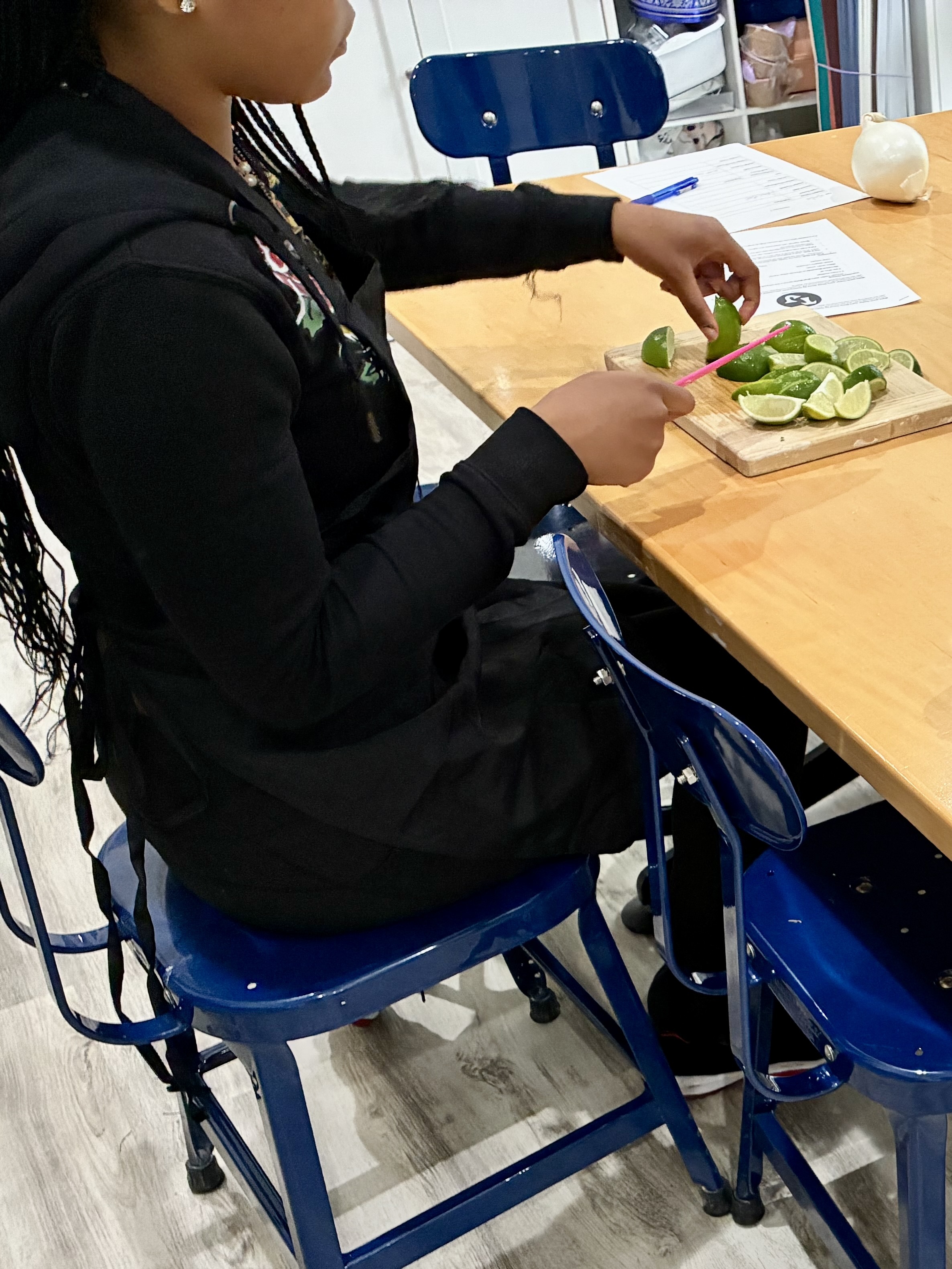
At OTTP-NorCal's Oakland building, Licensed Occupational Therapist Alicia Maness is bringing cooking and psychoeducation together in a way that goes far beyond learning how to prepare a meal.
Through a partnership with the Alameda County Office of Education, Alicia has been leading hands-on cooking classes for students designed around simple, accessible ingredients, tools, and kitchen appliances, giving youth the skills and confidence to create balanced, healthy meals on their own.
Woven into every session is psychoeducation on the connection between nutrition and overall wellness, helping youth understand not just how to cook, but why it matters for their mental and physical health. The classes also build life skills in the background: decision-making, sequencing, collaboration, and organization. Skills that don't stay in the kitchen, but also show up in school, at work, and in daily life long after the aprons come off.
This is what healing through doing looks like. One meal, one session, one small win at a time.
OTTP serves young adults from Latin America, ages 17 to 21, at El Camino Alternativo. Many are already employed full-time, some balancing two jobs, while simultaneously attending high school and helping support their families. They show up every day with a level of resilience and determination that is truly remarkable.
But that determination comes at a cost. The work these young people do is physically demanding, and students often arrive at school nursing workplace injuries, including sore knees, strained ankles, toe injuries, and the wear that comes from standing on their feet through long shifts.
Your donations help make sure they don't have to do it alone. Support from our community has provided essential basics like proper work shoes and other foundational needs that directly protect these students' health and safety, and keep them showing up for both work and school.
Beyond their strength and work ethic, these youth are kind, generous, and deeply deserving of care. When they walk through El Camino's doors, they are not just looking for an education, they are looking for a place where they belong. Thanks to you, that place exists.
The young people we serve at OTTP are carrying a lot. Many are navigating trauma, instability, and daily challenges that most of us will never fully understand. On top of all of that, basic resources are often out of reach.
That's where our donors come in. When a client needs something that falls outside what we can provide on our own, community donations step up to fill the gap. It's one less thing for a young person to worry about. And when you're already carrying so much, one less thing matters more than words can say.
Recently, a donor purchased a King James Bible for a client exploring spirituality as a way to build coping strategies and support their mental health. For this young person, faith was part of their healing, and your generosity made it possible to honor that.
At El Camino Alternativo's Job Safety Unit, donor funds provided a student with a back brace after months of pushing through pain just to show up to a physically demanding job. Those same donations also covered better respirator masks for students whose old ones were letting paint through, making an already challenging environment harder to navigate safely.
And then there was a 12-year-old boy who needed a pair of soccer cleats. He had just gotten into his first soccer program, but his family was struggling financially. Donor contributions made it possible for him to practice, play, and simply get to be a kid. For him, soccer was more than a sport, but a way to manage his anxiety and connect with peers.
These may seem like small things. But when you're already navigating so much, having one less worry, one need met, one barrier removed, can open up space for healing, growth, and joy.
Your donation, no matter the size, helps create that space. Thank you for making it possible.
At OTTP, our work is made possible by people who believe in young people, even those they've never met.
For many supporters, the decision to give grows out of a personal connection to the work. Sometimes it starts with volunteering in the community, seeing firsthand how different organizations are working together to meet the needs of people who have been overlooked. Sometimes it starts at a fundraising event, hearing a story that makes the impact feel real and close.
One donor, Beth Brown, shared what brought her to OTTP:
"Through my volunteering with Lamorinda Care Collective, I began partnering with many nonprofits that were also there to support and love people in need. One of these was OTTP...I saw the impact it was making, and how together, we were all supporting each other to help those with unmet needs. So many teens just need someone to believe in them, to support them, and to love them. These kids are our future, and I want to do what I can to help them have some of the same opportunities my kids took for granted."
That's why people give. Not out of obligation, but out of a deep belief that every young person deserves a chance, and that we all have a role to play in making that possible.
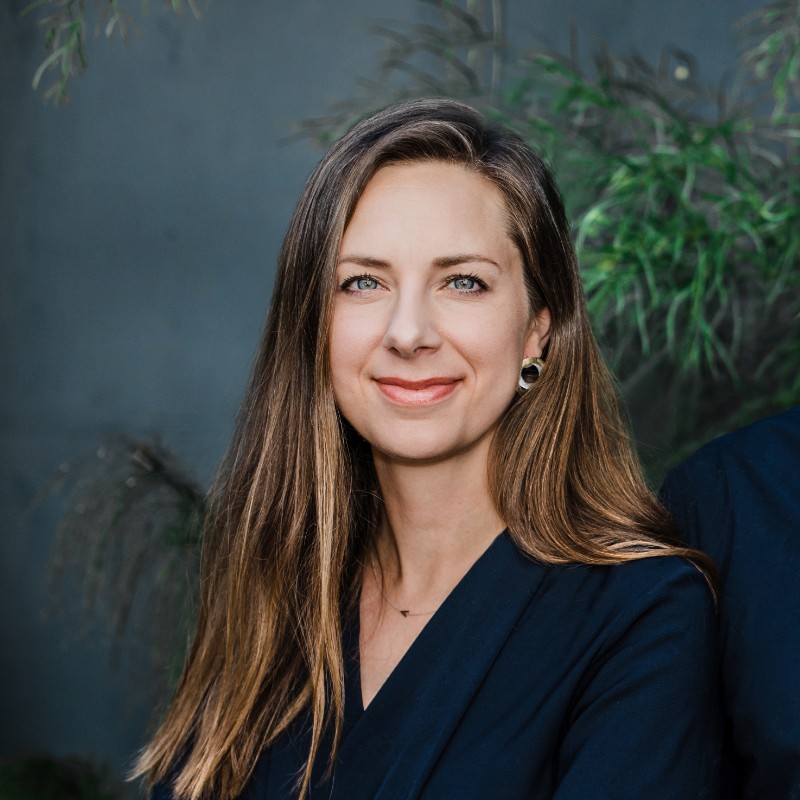
We're thrilled to welcome Kirsti Chou as the newest member of the OTTP Advisory Board.
Kirsti is a mission-driven investor and philanthropist with a background in tech leadership, strategic growth, and partnership-building. Her philanthropic focus on equity, climate, evidence-based policy, and youth with special needs makes her a great addition to our team.
We're grateful to have her voice and expertise, as we continue to grow and deepen our impact across Northern California.
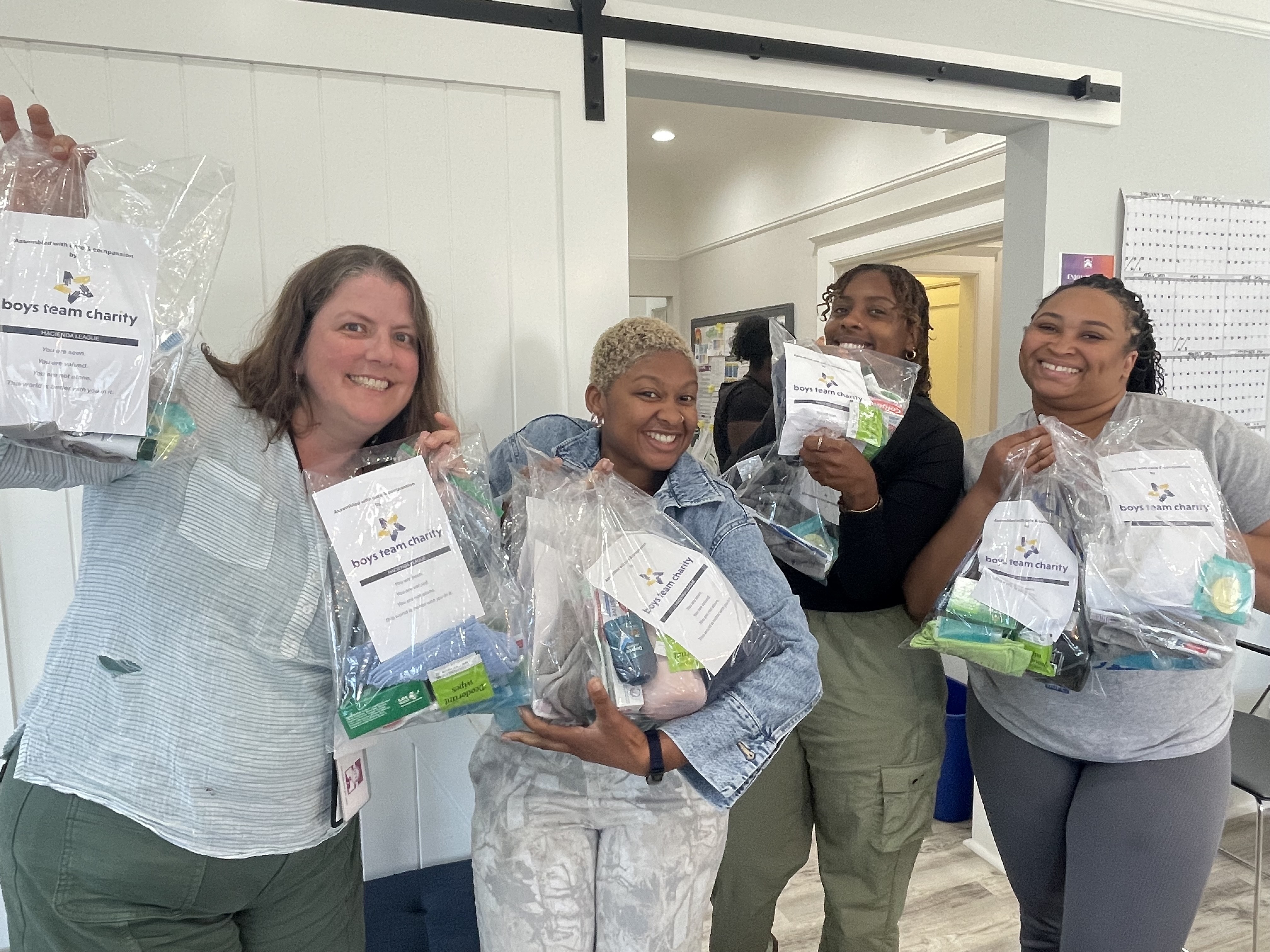
Thank you to the boys team charity Hacienda Chapter for putting together hygiene kits for our youth clients!
Each kit includes a variety of products, including washcloths, a toothbrush and toothpaste, shampoo and conditioner, body wash, and deodorant. For the young people we serve, these items are more than everyday essentials. They're tools for self-care, dignity, and confidence. Occupational therapists know that personal hygiene routines play an important role in building structure and a sense of self-worth, and for youth navigating trauma and instability, the simple act of caring for oneself can be a meaningful first step on the healing journey.
The boys team charity has previously supported our organization with creating meal kits, and we're grateful to continue building this meaningful partnership. Thank you for investing in the well-being of our youth, from the inside out.

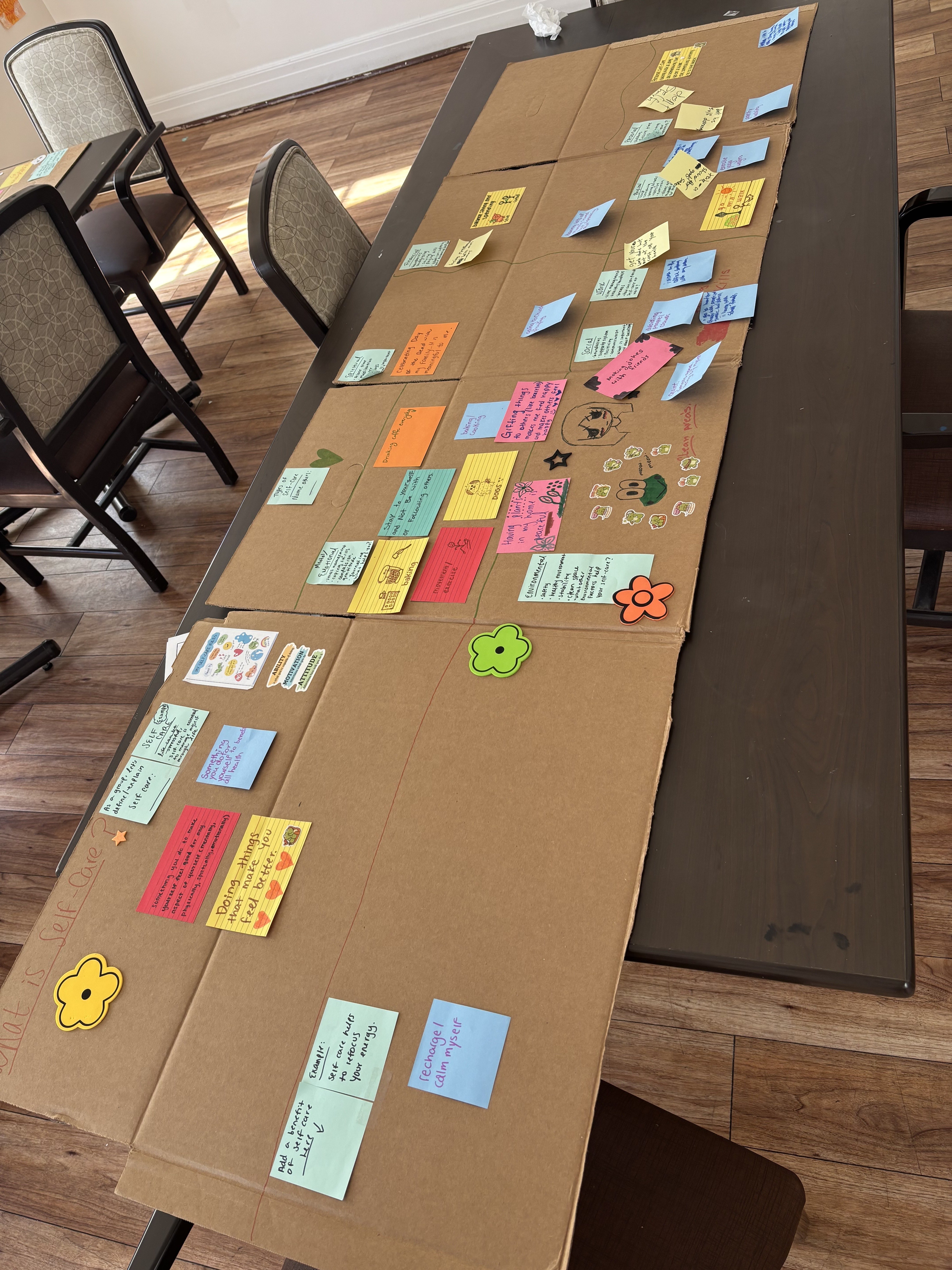
For youth navigating some of the most difficult moments of their lives, a single moment of openness can change everything.
Every week, OTTP occupational therapists and music therapists show up at Edgewood Center for Children and Families to do exactly that: create the conditions for those moments to happen.
Edgewood's acute intensive services program supports young people ages 12-18 experiencing serious mental health challenges, including those in *hospital diversion, residential, partial hospitalization, and intensive outpatient programs. It's a structured, strength-based environment, and OTTP's weekly OT and music therapy groups are designed to complement that approach, meeting youth where they are and building the skills they need to move forward.
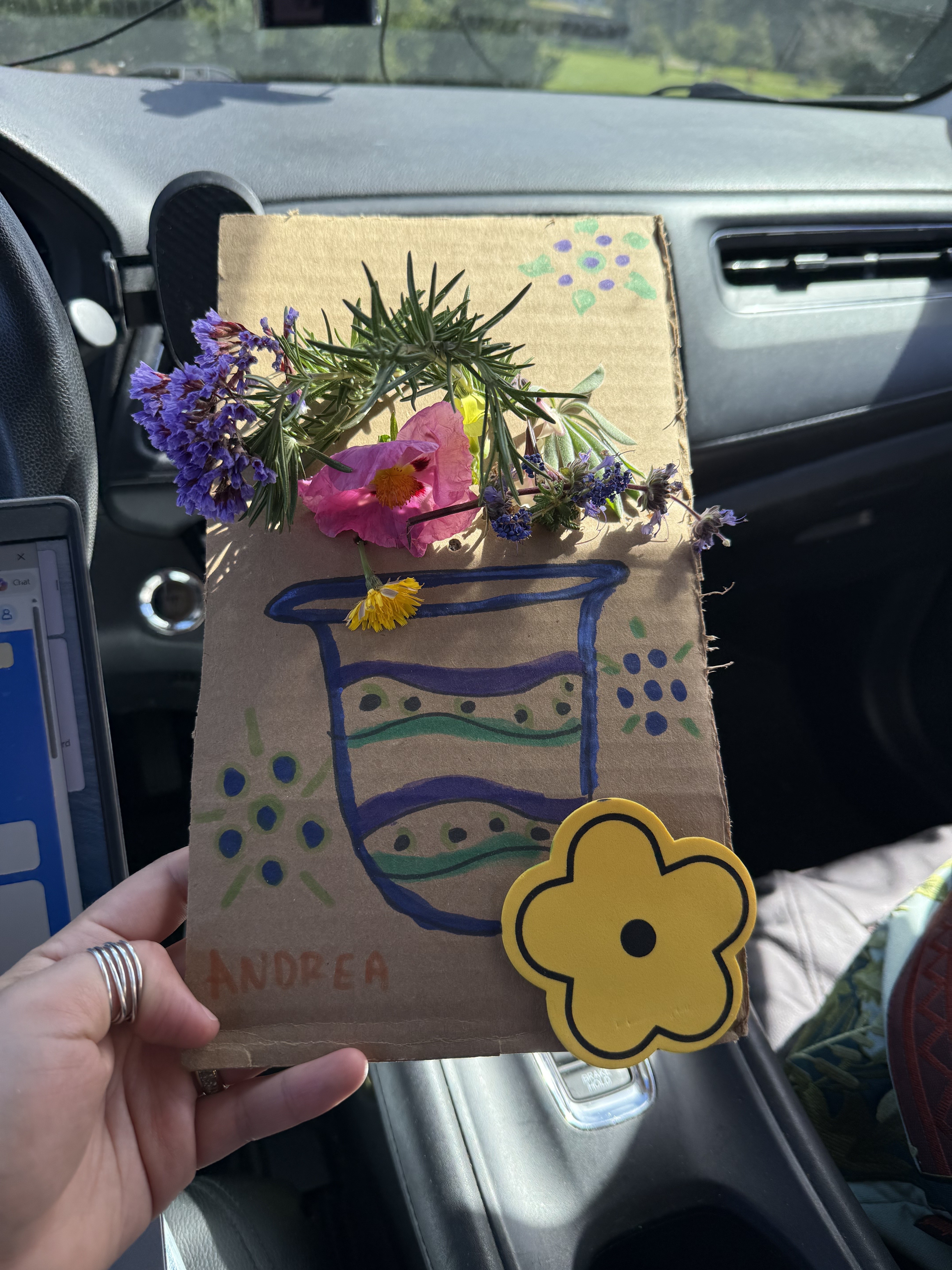
Group sessions take place in a spacious indoor environment with large tables that lend themselves to structured, community-oriented activities. Outside, youth have access to green space that opens the door to nature and sensory-based work. Together, these settings allow OTTP therapists to offer a range of interventions: arts and crafts, sensory-based activities, movement, and community-building exercises, all tailored to the needs of the group.
The skills woven into every session go far beyond the activity itself: communication, self-advocacy, decision-making, social participation, frustration tolerance, healthy routines, and self-efficacy. For youth who may have rarely had the chance to practice these skills in a safe environment, the groups offer something rare: a space to try.
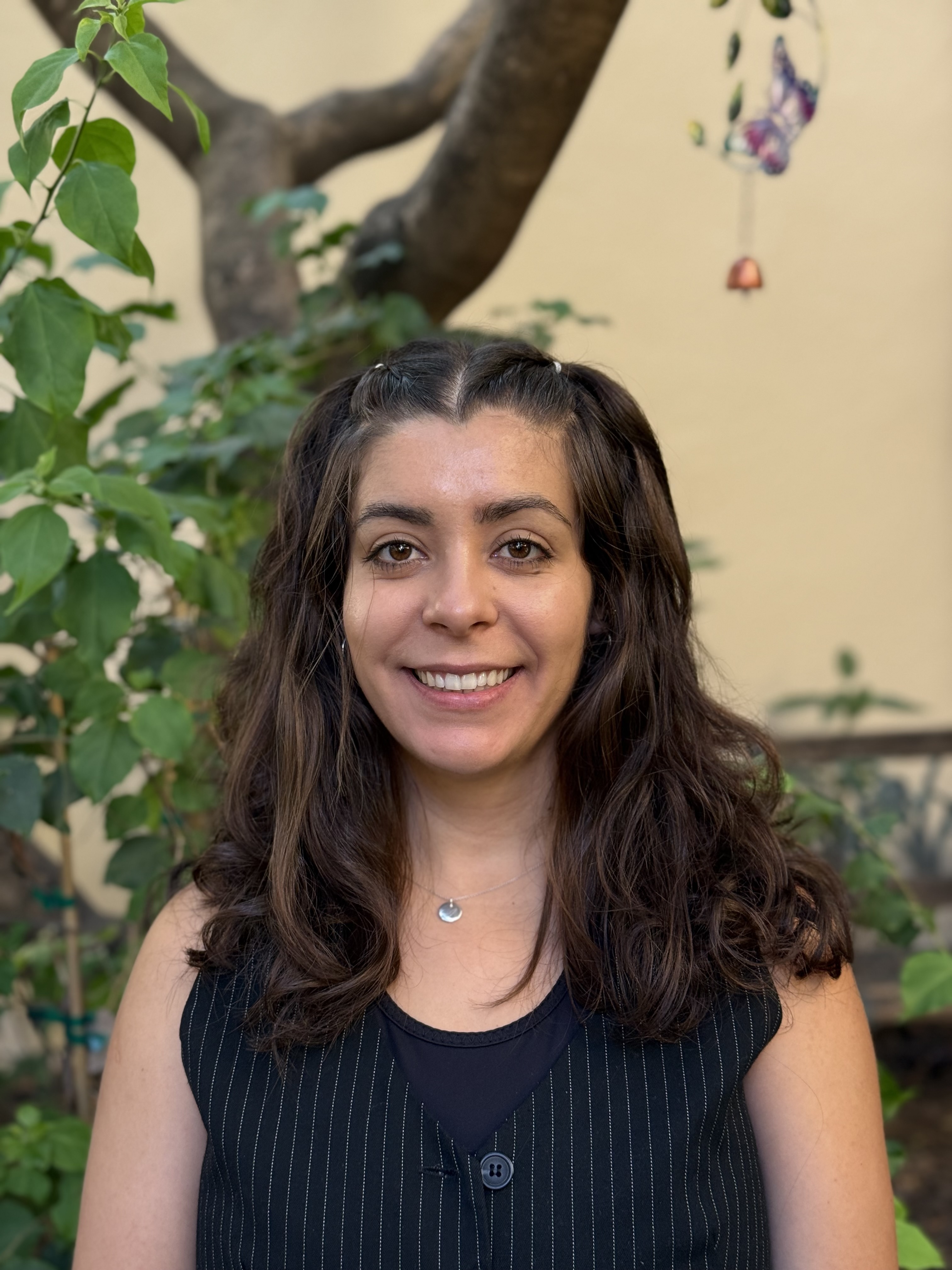
For OTTP occupational therapist and vocational specialist Andrea Hernandez, the most meaningful moments happen quietly.
"Moments that remind me of the importance of the work are when young adults initiate group sessions by being initially reserved, quiet, and hesitant to participate, but then allow themselves the opportunity to try. The results include social participation, engagement with activities, and self-reports of skills they worked on or whether they enjoyed the session...it's the moments when they open up and engage, thus discovering new personal interests."— Andrea Hernandez, OTR/L, Occupational Therapist & Vocational Specialist
That willingness to try, to step out of hesitation and into connection, is what healing through doing looks like in practice. And for the youth at Edgewood, it's happening every week.
*Youth in the hospital diversion program are those who may have otherwise needed psychiatric hospitalization but are instead receiving intensive support at Edgewood, allowing them to stabilize and build skills in a structured, therapeutic environment rather than a hospital setting.
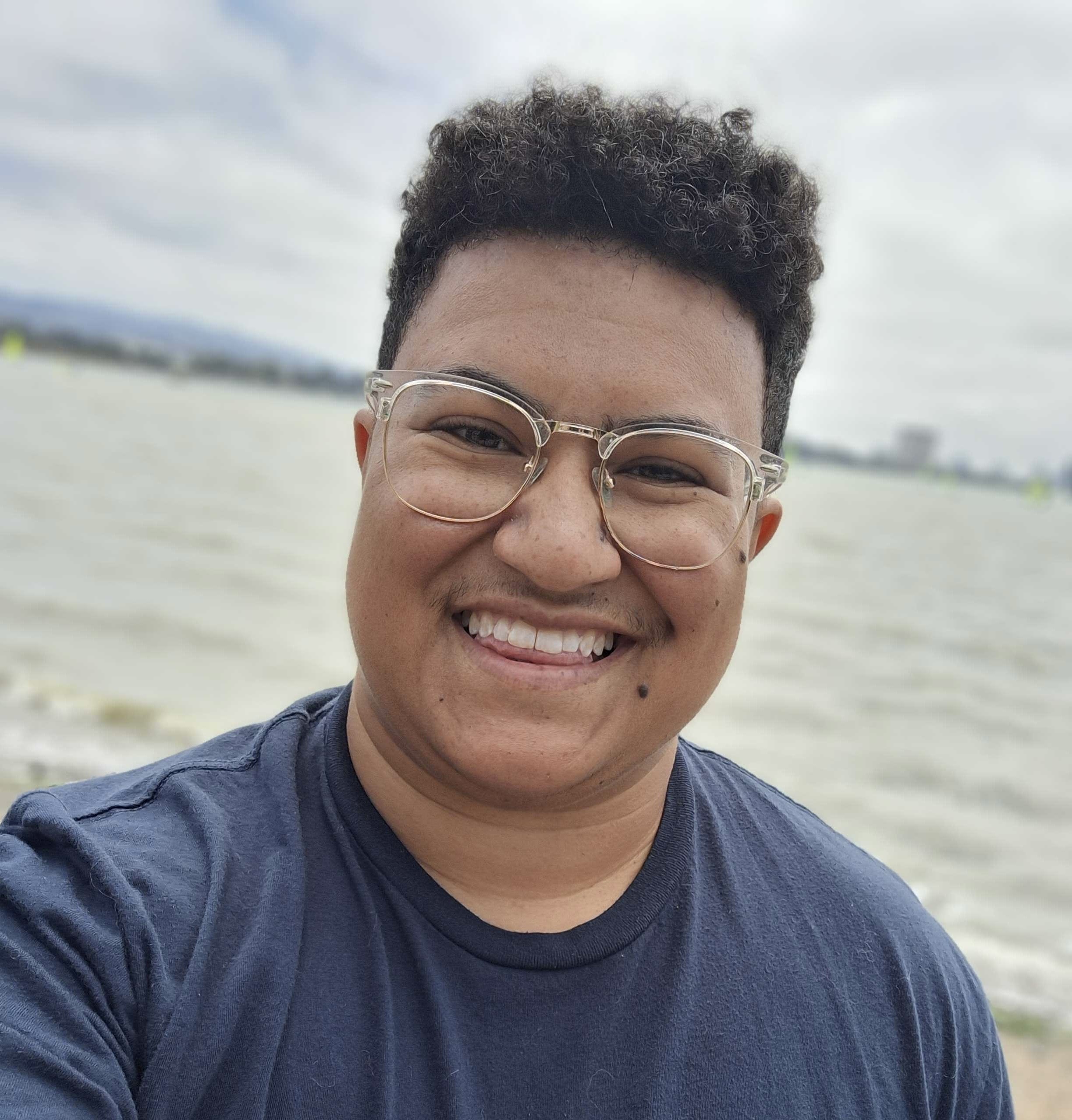
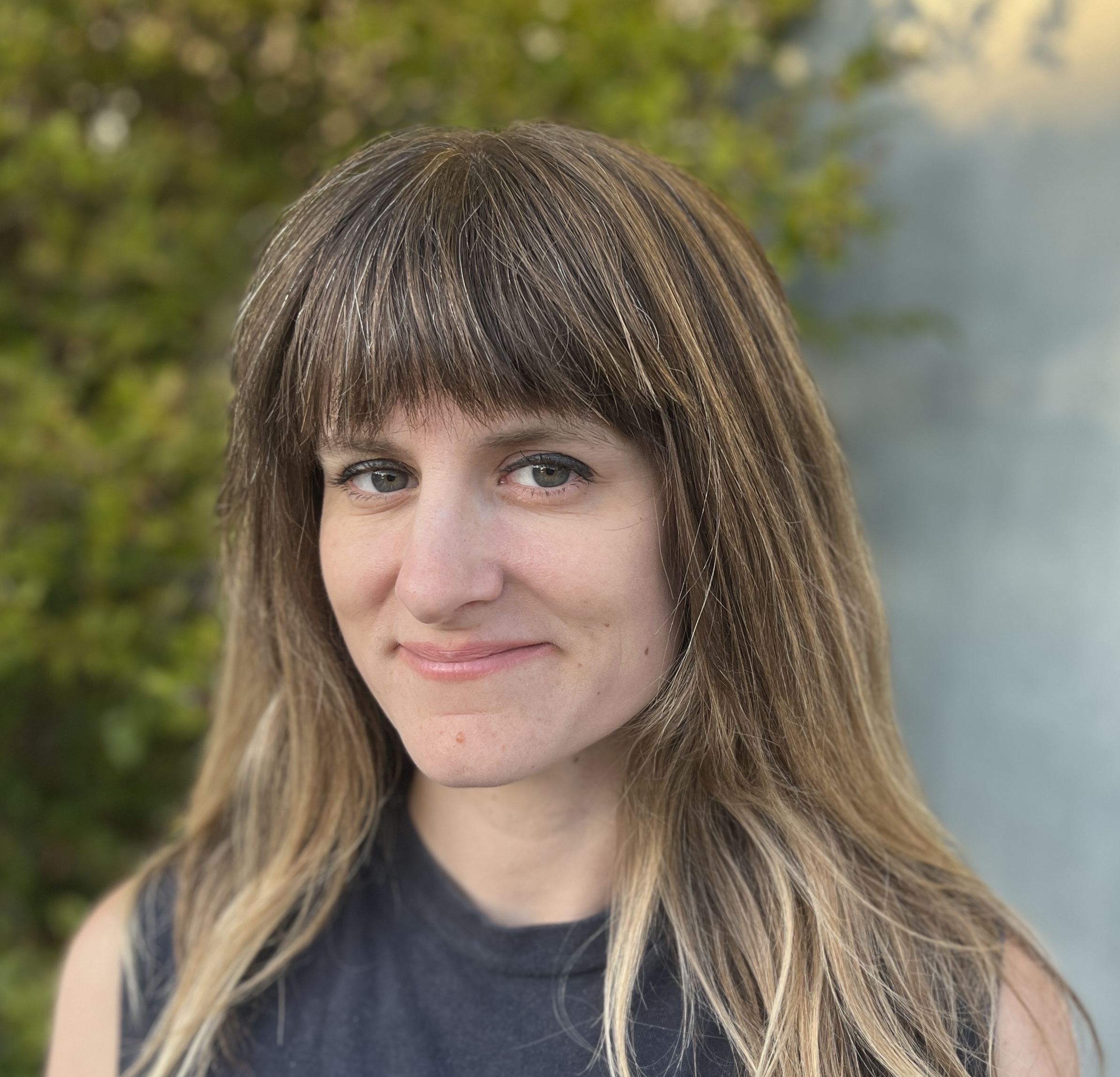
Back in April, OTTP occupational therapists Lesley Paige, OTR/L (pictured left), and Tenaya Jo, OTR/L (pictured right) were invited to deliver a two-part training at a local public preschool in the East Bay. The school's director reached out specifically because of the high number of students with sensory-related support needs and wanted to give her staff a new lens for understanding and responding to those needs.
The first session started with the adults themselves. Through self-assessment and discussion, staff explored their own sensory systems and were introduced to the 8 senses: sight, smell, taste, touch, hearing, proprioception, vestibular, and interoception. The second session applied those concepts directly to the classroom, helping staff identify potential stressors that might make it hard for a child to meet certain expectations, like sitting still for circle time or transitioning between activities.
The response was powerful. Staff were highly engaged, thinking critically about how sensory needs show up for both themselves and their students. Since the training, the school has seen an increase in sensory-based play, more outdoor time, and more flexible expectations during the more challenging parts of the day.
At OTTP-NorCal, our clinicians work directly with children, youth, and young adults. But our work doesn't stop there. Healing is most powerful when it extends beyond the individual, which is why supporting the adults who show up for a child every day is just as central to our work as the therapy itself.
The adults in a young person's life, including teachers, school staff, and parents, are already carrying a lot. For many of the youth we serve, these are often the people they turn to most. They are the ones there when a student shuts down during a transition, when a child can't sit still on the carpet, and when a teenager acts out in ways that are hard to understand. They show up every day, often without the resources or support they need to navigate those moments. The more equipped those adults are to respond with knowledge and compassion, the better outcomes we see for the youth we serve together, which is why equipping them with the right tools matters so much. OTTP is just one small part of a child's world, but we can help strengthen the whole community around them.
OTTP's professional development and capacity-building work takes many forms, always in response to a real need or an existing relationship. This work takes three main forms:
Because this work grows out of existing relationships and direct requests, our therapists can meet each audience exactly where they are, speaking to the real scenarios, real students, and real challenges that adults are navigating every day.
The goal of this work is never to tell a teacher or parent what they're doing wrong. What OTTP therapists bring is an additional lens, one rooted in child development, sensory processing, and emotional regulation, that helps make sense of behaviors that might otherwise feel overwhelming or frustrating.
Why does a student fall apart every time it's time to transition from the carpet to the table? Why does lunchtime feel like a trigger? What does a child's nervous system actually need in that moment, and what can an adult do to help?
These are the questions our trainings are designed to answer. Key themes include trauma-informed care, sensory processing, neurodiversity, and co-regulation, helping adults understand the science behind what they're seeing, so that a "disruptive" behavior becomes something they can support rather than just manage.
One of our most powerful reframes: shifting from "this kid is being difficult" to "this kid is communicating something their nervous system needs." That shift alone can change the entire dynamic in a classroom or at home.
Every workshop, every parent café, every partner training is an investment not just in one adult, but in every young person that adult will go on to support. That ripple effect is something no single therapy session can create alone.
At OTTP-NorCal, we believe that supporting youth means supporting their whole world. Because healing doesn't happen in isolation, it happens in relationships, in community, and in the everyday moments that add up to a life.



-2.png)

