Home / Services / Interventions Clinical practice

The tools we use to help youth heal and grow

A therapeutic intervention is a purposeful activity or technique used by a trained professional to help someone improve their mental, emotional, or physical well-being. It gives people practical tools and meaningful experiences to help them heal and grow. At OTTP-NorCal, our interventions span three clinical disciplines.

Health Through Doing

Occupational therapists help people participate in the things they want and need to do through the therapeutic use of everyday activities. At the core of occupational therapy is a belief in health through doing — whether that means participating in practical activities, leisure pursuits, or more subtle work like cultivating empathy or identifying personal values.

Psychosocial occupational therapy interventions use a holistic approach to optimize human functioning. Interventions are customized to leverage a youth's interests and strengths, facilitate optimal well-being, and match their stage of development. OTTP occupational therapists practice client-centered, trauma-informed care.

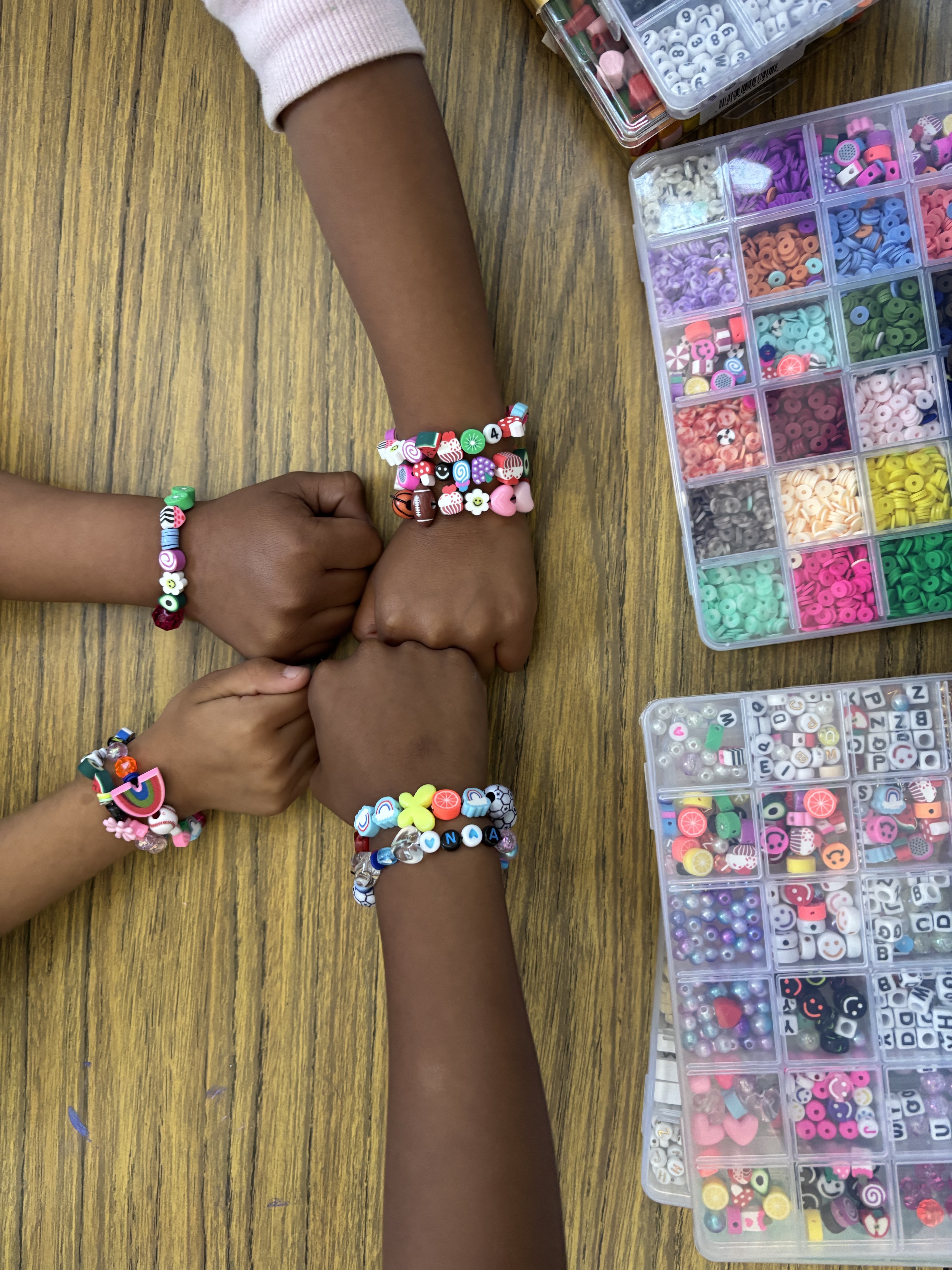
Youth bracelet making intervention at OTTP-NorCal

What OT interventions can help youth achieve

Social skills
Communication skills
Decision-making
Problem-solving
Emotional regulation
Coping strategies
Healthy risk-taking
Attention & focus
Intrinsic motivation
Values identification
Positive self-concept
Time management
Agency & self-efficacy

Core beliefs of occupational therapy

There is a positive relationship between occupation and health — physical and emotional.

All people need to engage in the occupations of their need and choice, to grow through what they do, and to experience independence, equality, participation, security, health, and well-being.

Occupations structure daily life, are central to our identity and sense of competence, and have particular meaning and value to us.

Health and well-being can be affected by environmental barriers to participation.

American Occupational Therapy Association (2002). Occupational therapy practice framework: Domain and process. American Journal of Occupational Therapy, 56, 609–639.

OT Domain & Scope of Practice

Areas of Occupation

  • Activities of Daily Living
  • Instrumental Activities of Daily Living
  • Rest & Sleep
  • Education
  • Work
  • Play
  • Leisure
  • Social Participation

Client Factors

  • Values, Beliefs & Spirituality
  • Body Functions
  • Body Structures

Performance Patterns

  • Habits
  • Routines
  • Roles
  • Rituals

Performance Skills

  • Sensory / Perceptual
  • Motor & Praxis
  • Emotion Regulation
  • Cognitive
  • Communication / Social

Context & Environment

  • Cultural
  • Personal
  • Physical
  • Social
  • Temporal
  • Virtual

Activity Demands

  • Objects & Properties
  • Space
  • Social
  • Sequencing & Timing
  • Required Actions
  • Required Body Structures & Function

American Occupational Therapy Association (2002). Occupational therapy practice framework: Domain and process. American Journal of Occupational Therapy, 56, 609–639.

Therapy for thoughts, feelings & behaviors

Psychotherapy is a general term for the treatment of a client's mental health challenges by working with a licensed Clinical Social Worker, Marriage & Family Therapist, or other mental health clinician. During psychotherapy, a client learns about their feelings, thoughts, and behaviors, and how to better cope and respond to life's challenges. Its purpose is the exploration of thoughts, feelings, and behavior for the purpose of problem-solving or achieving the most optimal levels of functioning.

Modalities used by OTTP clinicians

Trauma-Focused Cognitive Behavioral Therapy

TF-CBT addresses the mental health needs of children and adolescents impacted by trauma.

Cognitive Behavioral Therapy (CBT)

Helps clients identify and change unhelpful thinking patterns and behaviors.

Dialectical Behavioral Therapy (DBT)

Focuses on building skills in mindfulness, distress tolerance, emotion regulation, and interpersonal effectiveness.

Psychodynamic Therapy

Explores how unconscious thoughts and past experiences influence current behavior and feelings.

Systems Theory / Therapy

Views the client within the context of their family and social systems, addressing relationships and patterns.

Solution-Focused Brief Therapy

Goal-directed and future-focused, helping clients identify solutions rather than dwelling on problems.

Art Therapy

Uses creative expression as a therapeutic tool for processing emotions and experiences.

Play Therapy

Uses play as a natural medium for children to express themselves and work through challenges.

Connecting youth & families to the support they need

Social work practice — as defined by the National Association of Social Work (NASW) — consists of the professional application of social work values, principles, and techniques to help people obtain tangible services, provide counseling and psychotherapy, and help communities improve social and health services. The practice of social work requires knowledge of human development and behavior; of social, economic, and cultural institutions; and of the interaction of all these factors.

Tangible services

Helping youth and families access concrete resources — housing, food, transportation, healthcare, and more.

Counseling & psychotherapy

Individual, family, and group therapy to support mental health and well-being across the lifespan.

Advocacy

Advocating for client needs within systems — schools, courts, healthcare, and community organizations.

Case Management

Case management is a large part of the social work services we provide to our youth and families. It involves the coordination of all services a client may be receiving — not just from OTTP — in addition to linkage to other resources and advocacy for client needs. Our social workers ensure that no young person falls through the cracks.

OTTP social worker providing case management support

Want to learn more about how we work?

Explore our approach and the programs where these interventions take place.